mwcgk2@gmail.com S-Block, Gurudwara Nanaksar Premises, Greater Kailash-II, New Delhi-48
mwcgk2@gmail.com S-Block, Gurudwara Nanaksar Premises, Greater Kailash-II, New Delhi-48
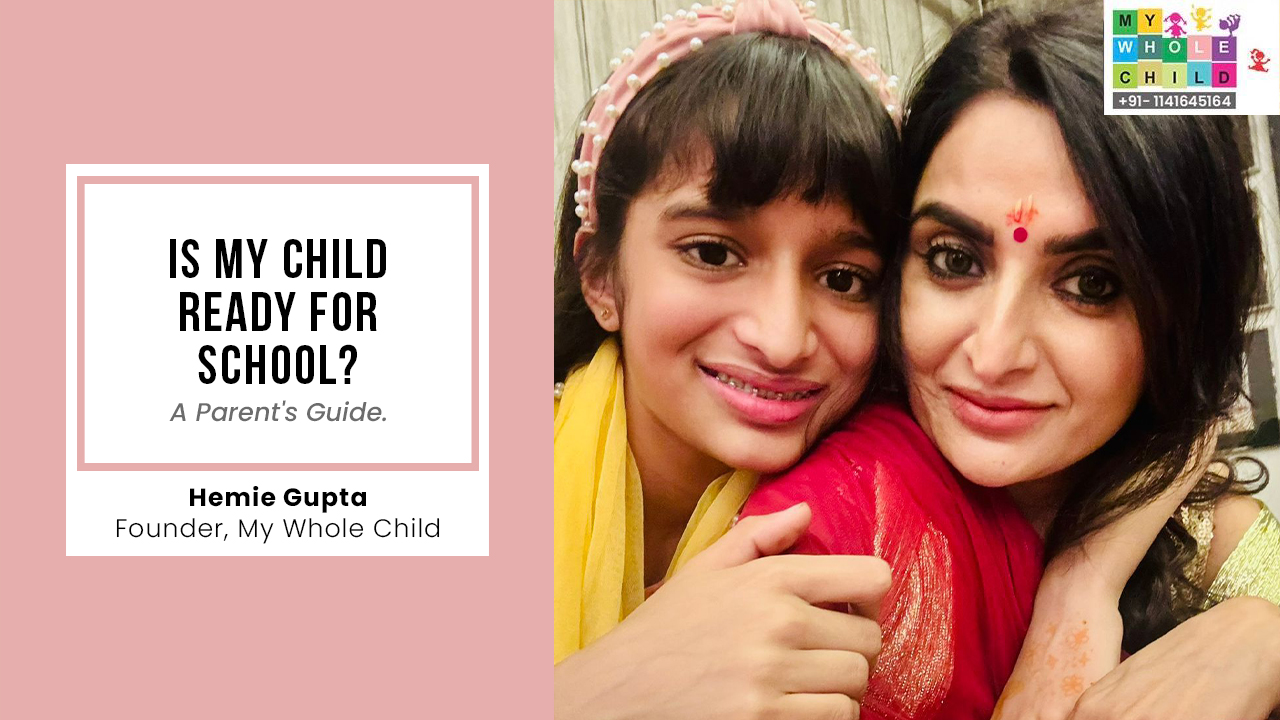
Starting school is a major milestone, not just for children, but for parents too. Beyond knowing ABCs and numbers, school readiness is about whether your child has the social, emotional, and practical skills to learn, cope, and thrive in a structured classroom environment.
Key Areas of School Readiness
1. Self-Care Skills: Can your child eat independently, use the toilet, dress, and manage simple belongings? These everyday tasks build confidence and independence.
2. Social Skills: Do they share, take turns, and play with other children? Early social experiences help children adjust to group learning settings.
3. Emotional Regulation: Can they manage separation, follow routines, and express feelings appropriately? Emotional control lies at the foundation of a positive school experience.
4. Attention & Listening: Are they able to sit, listen, and follow simple instructions? These skills support classroom learning and participation.
5. Fine & Gross Motor Skills: Can they hold a crayon, use scissors, run, and climb with confidence? Strong motor skills promote coordination, writing readiness, and play participation.
How Parents Can Support at Home
Encourage your child to be independent in daily routines, read stories together and talk about them, and offer opportunities for play with peers. Practice simple problem-solving and following directions to build confidence and readiness. Small, consistent efforts at home can make a big difference in helping your child transition smoothly to school.
When to Seek Help
If you notice your child is struggling in multiple areas, early support can make all the difference. Occupational and speech therapists can help build these foundational skills in fun, engaging ways through play and routine-based activities.
How Therapy Supports School Readiness
Therapists use play-based strategies to strengthen essential developmental areas such as pencil grip, scissor use, and hand strength for writing and drawing; attention, focus, and the ability to follow classroom routines; social interaction, sharing, and turn-taking; and independence in eating, dressing, and self-care.
Toilet training is also an important part of school readiness. Some children may still be learning to recognize body cues or manage bathroom routines on their own—and that’s completely okay! Therapists and parents can work together to build awareness of body signals and timing, practice steps like pulling pants up or down and washing hands, and use visual schedules or social stories to make routines predictable. Success can be encouraged through praise, patience, and consistency. Developing toileting independence takes time and support, but each small step toward self-care helps children feel confident, capable, and ready to participate fully in school life.
A Final Word
Every child develops at their own pace. With guidance, encouragement, and support at home and through therapy, your child can enter school with confidence—ready to explore, learn, and grow

©2024 My Whole Child. All rights reserved