mwcgk2@gmail.com S-Block, Gurudwara Nanaksar Premises, Greater Kailash-II, New Delhi-48
mwcgk2@gmail.com S-Block, Gurudwara Nanaksar Premises, Greater Kailash-II, New Delhi-48
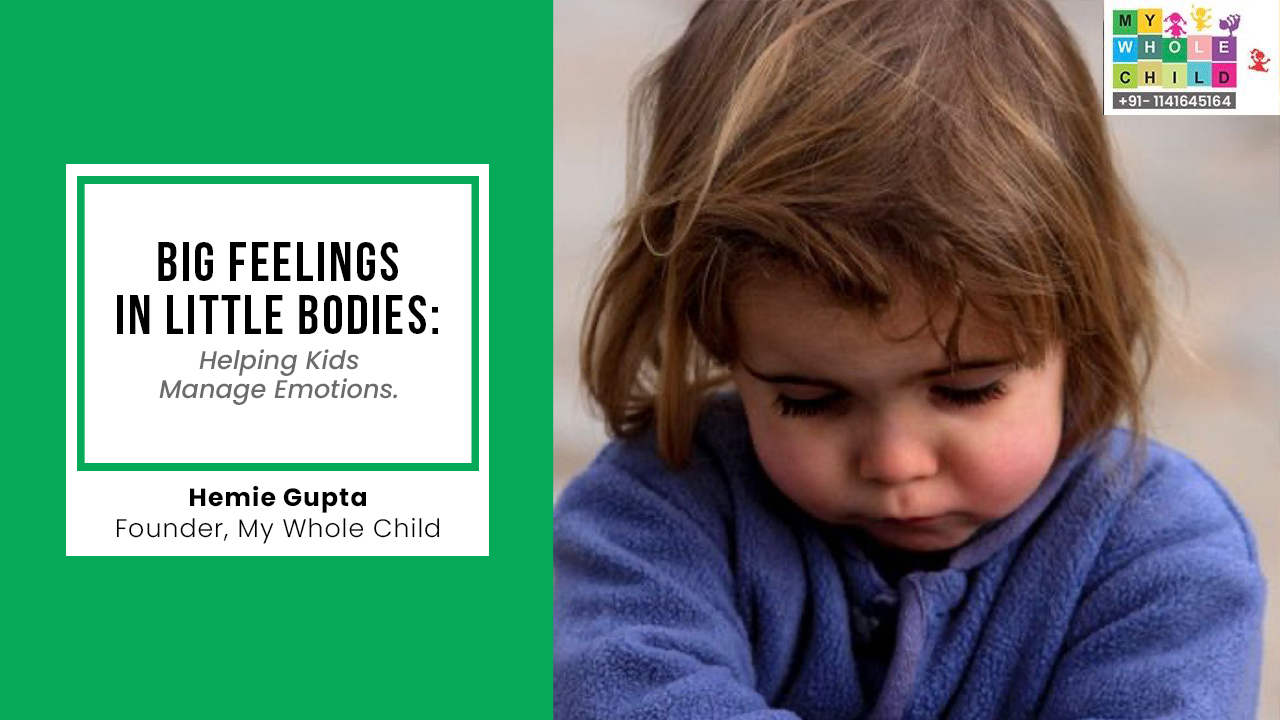
Children experience the world with intensity; what feels small to us can feel very big to them. A spilled cup of juice, losing a toy, or a change in routine can trigger tears, anger, or frustration. These “big feelings in little bodies” are a normal part of growing up, but learning how to manage them is an important life skill.
Why Emotional Regulation Matters
Emotional regulation is the ability to recognize, understand, and manage feelings, and it plays an essential role in a child’s growth. It helps them build healthy relationships, stay focused and learn effectively in school, feel confident and secure, and experience less stress and frustration. When children have difficulty managing their emotions, they may cry easily, lash out, or withdraw. These behaviors are not signs of being “bad” but signals that they need support in developing coping tools and emotional skills.
Helping Children Grow Through Emotions
Supporting children in managing their emotions takes time, patience, and empathy. When adults respond with understanding rather than judgment, children feel safe to express themselves and learn healthy ways to cope. Remember, emotional regulation is not about avoiding feelings—it’s about learning to navigate them. With the right guidance at home and in therapy, children can develop resilience, confidence, and the ability to face life’s challenges with a calm and balanced mind.

©2024 My Whole Child. All rights reserved